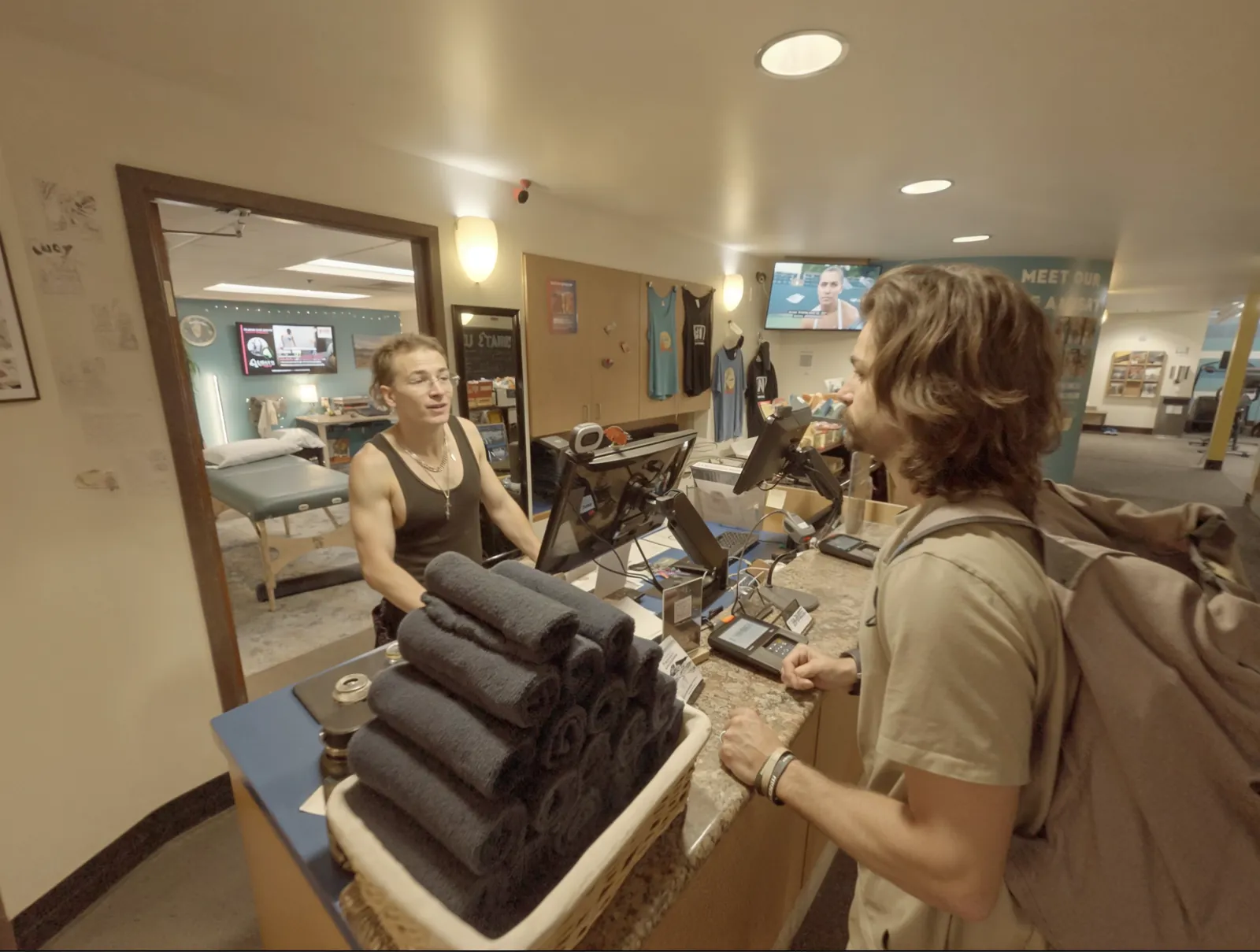
The hardest workout most people ever do is the first one — not because of the weight on the bar, but because of everything else: not knowing where anything is, not knowing what to do with it, and worrying everyone else already does.
None of that is a reason to wait. Here's what actually helps in your first few weeks, and what a beginner-friendly first session should look like.
Why starting is the hardest part
Most people who quit a new gym habit don't quit because the training was too hard — they quit because the first few sessions were confusing, uncomfortable or lonely, and nobody made it easier. The workout itself is rarely the problem. Not knowing where to start is.
What actually helps beginners succeed
- Coached, not guessed. A trainer scaling your first sessions to where you actually are removes most of the guesswork that causes people to quit early.
- Small and repeatable beats heroic. Two or three manageable sessions a week you can actually repeat will always beat one exhausting session you can't.
- Learn before you load. Simple, safe movement patterns come first — adding weight or intensity is the second step, not the first.
I started exactly here: I joined this club during the pandemic, out of shape and not sure where to begin. I lost 50 lbs training on this same floor before I ever became a trainer — which is exactly why I coach new members with the patience I needed myself.
What your first few weeks actually look like
- Get oriented. A coach walks you through the floor and equipment so your first visit isn't spent guessing what anything does.
- Learn the basics. The first sessions build simple, safe movement patterns — not a maxed-out first workout.
- Build the habit. Two to three short sessions a week, consistently, matter more than any single big effort.
- Progress gradually. Weight, reps and complexity increase slowly once the basics feel automatic.
Common beginner fears, answered
"Everyone will be watching me." In practice, almost nobody is — and in a gym with a real coaching culture, the people around you started exactly where you are now.
"I won't know how to use anything." That's what the first coached sessions are for. You're not expected to know before you walk in.
"I'm too out of shape to start." That's the most common reason people say they're joining a beginner program, not a reason to wait for one.
Do it with a coach
A good first few weeks isn't about willpower — it's about having someone remove the guesswork so showing up is the only decision left. That's exactly what our beginner program is built around, on a downtown floor that's never crowded.
FAQ
I'm really out of shape. Can I still start at a gym?
Yes — a good beginner program is built for exactly this. Coaches scale the first sessions to wherever you're starting from, not to some assumed baseline.
Do I need experience before joining a gym?
No. Most people who join as total beginners learn the equipment and movement basics during their first few coached sessions, not before they ever walk in.
How often should a beginner work out?
Two to three sessions a week is a realistic, sustainable starting point for most beginners — enough to build the habit without burning out before it sticks.
Will people judge me for being new?
In a well-run gym, no — everyone there started exactly where you are now. A club with a coaching culture tends to feel far less intimidating than a self-serve, big-box floor.
Is it normal to be sore after starting?
Some soreness in the first couple of weeks is normal and settles as your body adapts. A coach pacing your first sessions helps keep that soreness manageable instead of overwhelming.
Written by the ONE Boulder Fitness team. Educational only — not medical advice; check with your physician before starting a new exercise program.
Your first step is the hardest. We've got the rest.
Claim a free day pass or book a free consult with a coach who meets you where you are.